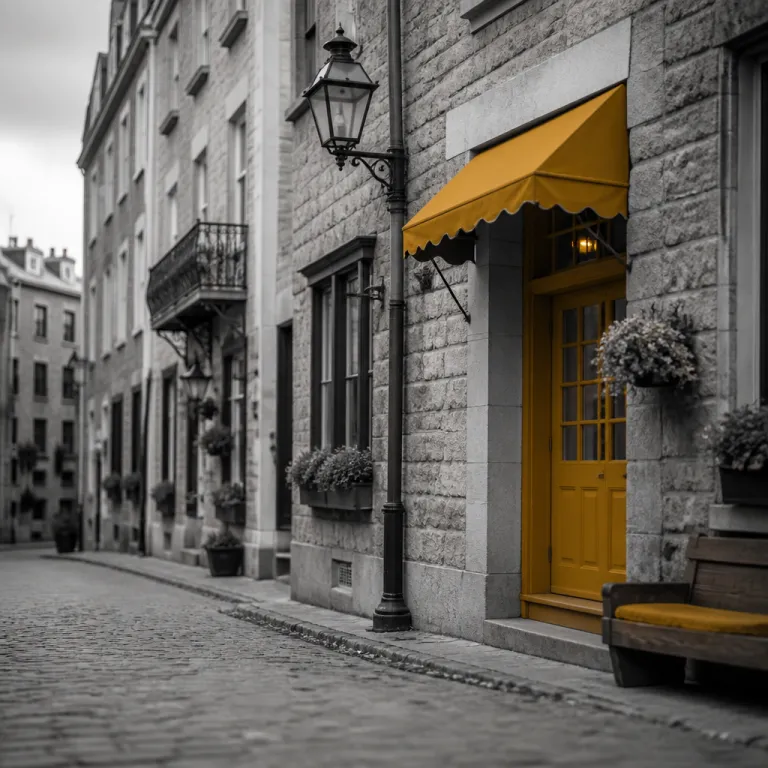
Why Old Québec is the most atmospheric place to stay and shop
Old Québec is the only fortified city north of Mexico and it feels made for slow, unhurried browsing. The cobbled streets, stone façades and river views turn every short walk into a small voyage, which makes shopping in Québec City’s historic centre especially appealing if you want character right outside your hotel. Many travellers plan their entire trip around this compact district because it lets them spend time exploring independent boutiques between museum visits and long lunches.
If you are torn between Montréal and Québec City for a first stay in Canada, think about how you like to shop and wander. Montréal is a larger city with extensive malls and edgy fashion districts, while Québec City offers a smaller scale that is perfect for good walking, intimate streets and historic charm around every corner. Visitors who stay several days often tell me they love the slower rhythm here compared with the faster pace of Montréal, especially when they can walk to the Château Frontenac and the surrounding lanes without rushing.
Choosing a hotel inside the walls means you wake up steps from Rue Saint-Jean, Rue Saint-Louis and Rue Sainte-Anne, where you will find galleries, bookstores and artisan workshops. That proximity matters on a winter day when the air is crisp and you want to pop back to your room with shopping bags before dinner at one of the great restaurants nearby. If you prefer quieter evenings, you can stay just outside the ramparts and still enjoy the boutiques and specialty stores of Old Québec by day, then retreat to calmer streets at night for a good sleep.
Upper Town vs Lower Town: where to stay for effortless shopping
Old Québec divides naturally into Upper Town around Fairmont Le Château Frontenac and Lower Town along the river, and both areas offer distinct shopping experiences. Upper Town is ideal if you want to walk past the Château Frontenac each morning, then drift along Rue Saint-Louis and Rue Saint-Jean, where heritage buildings hide fashion, leather goods and Québec design stores. Lower Town, centred on Place Royale and Rue du Petit-Champlain, feels like a village and is perfect for travellers who love narrow lanes, local art and riverside cafés.
For a three day stay focused on shopping in Québec City’s Old Town, I usually suggest splitting your time mentally between these two levels rather than changing hotels. You can plan one day exploring Upper Town’s galleries and another day in Lower Town’s ateliers, using the funicular or the good walking route down Côte de la Montagne to connect them in about ten minutes. If you are building a broader Québec City itinerary, a detailed three day itinerary and neighbourhood guide helps you match your preferred shops, restaurants and museums with the best streets to stay on.
Travellers who choose auberge-style guesthouses in Upper Town often praise the quiet courtyards and the ease of reaching great restaurants on foot after an afternoon of browsing. Those who stay in Lower Town usually mention how much they enjoy the early morning light on the stone warehouses and the feeling of being close to the water. Either way, your trip will feel more relaxed if you choose a hotel that lets you spend time walking rather than relying on taxis or buses between your room and the main shopping streets.
Choosing between hotel and apartment stays for a shopping focused trip
When your main goal is shopping in Québec City’s Old Québec district, the type of accommodation you choose will shape how you experience the streets. A traditional hotel in the historic centre gives you a staffed front desk, luggage storage and often a concierge who can reply quickly with tailored suggestions for Québec-made fashion, art and gourmet shops. An apartment-style stay offers more space to unpack purchases and perhaps a kitchen for tasting cheeses and charcuterie from local markets, but you lose some of the on-the-spot guidance that seasoned hotel teams provide.
Many visitors compare prices between Montréal and Québec City and notice that a central hotel in Québec City can be good value for the level of character and proximity to sights. If you are debating whether to book an apartment or a hotel for your stay, a practical guide on how to weigh cost, comfort and neighbourhoods in Québec City lays out the trade-offs clearly. For travellers who plan to spend time browsing galleries, carrying fragile ceramics or art prints, and perhaps returning to their room several times a day, the security and services of a central hotel often prove worth the slightly higher nightly rate.
Think about your own habits during a trip before you book. If you like to start the day with a good breakfast in the hotel dining room, get tailored advice on which rue to explore next, and return to a freshly made bed after dinner at one of the great restaurants nearby, a hotel will feel seamless. If you prefer to cook, spread out your shopping finds and live more like a local, an apartment in Québec City can be a great base, especially if you already know Montréal’s big-city style of urban living and want something quieter this time.
Signature shopping streets and how they shape your hotel choice
Several key streets define shopping in Québec City’s Old Québec and they should guide where you stay. Rue du Petit-Champlain in Lower Town is one of the oldest commercial streets in North America and it is lined with Québec artisans, fashion boutiques and gourmet shops, which makes nearby hotels ideal if you want to step into character the moment you open the door. Rue Saint-Jean and Rue Saint-Louis in Upper Town mix everyday services with independent shops, so staying close to them gives you both practical convenience and a lot of browsing opportunities.
Travellers who love food should consider a hotel within easy walking distance of Rue Saint-Jean, where bakeries, cheese shops and small épiceries sit beside clothing and design stores. You can spend time tasting local products by day, then enjoy great restaurants at night without needing a taxi, which is especially pleasant when the air is crisp and the streets are lit softly. Those who stay several nights near Rue Saint-Louis often tell me they appreciate the balance between quiet evenings and quick access to the Château Frontenac terrace for river views.
If you enjoy art and design, look for a stay near the streets that climb between Upper Town and Lower Town, where galleries and ateliers occupy former warehouses. This area is good for walking because the slopes are gentle and there are frequent viewpoints where you can pause and look back at the city. When you choose a hotel, check how far it is from the specific rue you most want to explore, rather than just looking at the general Old Québec label on a map.
Planning your days: combining shopping, dining and side trips
A well planned day in Québec City lets you blend shopping, dining and gentle sightseeing without feeling rushed. Many visitors start with a walk to the Château Frontenac and its Dufferin Terrace, then drop into nearby shops before descending to Lower Town for lunch and an afternoon of browsing Rue du Petit-Champlain. In the evening, they return to Upper Town for dinner at one of the great restaurants that specialise in Québec terroir cuisine, often remarking that the compact city makes it easy to cover a lot without ever feeling hurried.
If you are staying several days, consider dedicating one day to shopping in Old Québec and another to a side trip such as whale watching from the Charlevoix region. A detailed guide to whale watching tours from your hotel explains how to time departures so you can still enjoy an evening stroll through the old streets. Travellers who combine these experiences often say the contrast between the lively city and the vast Saint Lawrence River makes their trip to Canada feel especially rich.
Food lovers should plan to spend time in both Québec City and Montréal if possible, because restaurants in Montréal offer a cosmopolitan scene while Québec City focuses more on regional products and intimate dining rooms. When you choose your hotel, check how close it is to the restaurants you most want to try, since a short walk after dinner is far more pleasant than a long taxi ride in cold air. Guests who stay in central Old Québec often comment that being able to step out of their hotel and be at their chosen restaurant within minutes is one of the most quietly luxurious parts of their stay.
Practical tips, timing and avoiding common booking pitfalls
Booking a hotel for shopping in Québec City’s Old Québec requires a little strategy if you want the best value and experience. Rooms with partial views of the Château Frontenac or the river often cost less than full-view suites but still feel special, so they are worth considering if you want atmosphere without stretching your budget. It is also good to check cancellation policies carefully, because a flexible rate lets you adjust your stay if your trip plans change or if you decide to add a night after falling for the city.
Online forums sometimes show messages like “topic automatically closed after a period of inactivity” or “this discussion was automatically closed due to a closed period”, which can make it hard to judge whether older reviews still reflect current conditions. When you read that someone stayed years ago and wrote that they loved a particular hotel or rue, treat it as a snapshot rather than a guarantee that nothing has changed. Look for recent comments that reply to those older posts and confirm that the good walking routes, air conditioning, service levels and nearby restaurants are still as described.
Finally, remember that Québec City is smaller than Montréal, so location matters slightly less but still shapes how you feel each day. A central hotel lets you jump into your to-do list quickly each morning, whether that is a walk to the Château Frontenac, a visit to Lower Town or a circuit of your favourite shops. If you choose carefully, you will likely be one of those travellers who write later that they stayed in Old Québec and found the combination of history, shopping and dining not just good but truly great and worth repeating on a future trip.
Key figures about Québec City tourism and shopping
- Québec City welcomes millions of visitors annually according to Québec City Tourism, and a significant share of them cite shopping and gastronomy in Old Québec as primary motivations for their trip.
- Fairmont Le Château Frontenac alone hosts large numbers of guests each year, and its central position means many of those visitors spend time browsing within a short walking radius of the hotel.
- Surveys by Destination Québec Cité indicate that most leisure travellers rate the city as very walkable, which reinforces why good walking access from your hotel to key shopping streets is so valuable.
- Data from Tourisme Québec show that average stays in Québec City are around two to three nights for domestic visitors, which makes careful planning of each day’s mix of shopping, dining and sightseeing especially important.
- Studies on Canadian urban tourism consistently rank Québec City among the top destinations for visitor satisfaction, with Old Québec’s compact layout and concentration of independent shops frequently mentioned as reasons the experience feels great and worth the journey.
FAQ: best areas to stay for shopping in Old Québec
Is it better to stay in Upper Town or Lower Town for shopping
Upper Town is best if you want quick access to the Château Frontenac, Rue Saint-Jean and a wide range of restaurants, while Lower Town excels for atmospheric lanes, galleries and riverside cafés. Both areas are within easy walking distance of each other, so your choice mainly depends on whether you prefer hilltop views or a harbour feel. Many travellers book Upper Town for the first stay, then try Lower Town on a return trip.
How many days should I plan for shopping in Québec City Old Québec
Two full days are enough to explore the main streets, but three days allow a more relaxed rhythm with time for museums and long lunches. With three days, you can dedicate one day to Upper Town, one to Lower Town and one to side trips or repeat visits to favourite shops. Shorter stays are possible, yet you will need to prioritise specific streets and experiences.
Do I need a car if I stay in Old Québec
You do not need a car if your focus is shopping in Québec City’s Old Québec, because the historic centre is compact and very walkable. Parking can be expensive and streets are narrow, so many visitors prefer to arrive by train, bus or taxi and explore on foot. A car only becomes useful if you plan several excursions beyond the city, such as to Charlevoix or Île d’Orléans.
Are shops in Old Québec open year round
Most shops in Old Québec are open year round, with extended hours during peak tourist seasons and around major holidays. Some smaller galleries or seasonal businesses may have a closed period in late autumn or early spring, so it is wise to check individual opening times. Winter shopping can be especially charming thanks to decorations and quieter streets, provided you pack warm clothing.
How does Québec City compare with Montréal for shopping
Montréal offers larger malls, international brands and a more urban fashion scene, while Québec City focuses on independent shops, Québec-made products and a historic setting. Travellers who enjoy big-city energy often start in Montréal, then move to Québec City for a slower pace and more intimate streets. Combining both cities in one trip gives you a broad view of shopping culture in this part of Canada.