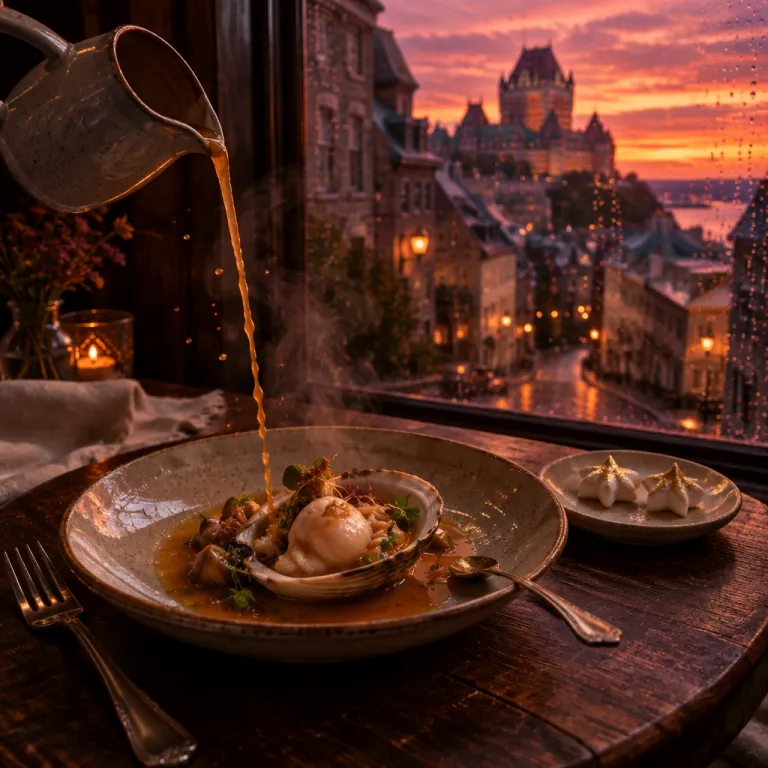
How Old Quebec quietly became a Michelin playground
Quebec City did not shout when the Michelin inspectors finally arrived. The old stones of Vieux Québec simply absorbed the news and carried on serving quietly ambitious cuisine in intimate dining rooms. For travelers choosing a hotel, that shift matters more than any lobby chandelier.
The best restaurants Old Quebec now form a walkable constellation between the Upper Town, the Old Port and the Saint Roch district, turning every night into a curated dining itinerary rather than a single blowout meal. Think of the city as a tasting menu in itself, where each neighbourhood course reveals a different expression of Québecois cuisine and of the local ingredients that define it. When you read a guide Québec focused on food, you are really reading a map of where you will sleep, stroll and eat over each weekend or midweek escape.
At the top of that map sits La Tanière in the Old Port, a restaurant with two Michelin stars that has become the city’s most coveted table. Its tasting menu is a deep dive into the St Lawrence River and the forests beyond, with plates that feel almost archaeological in their attention to terroir and to traditional Québecois techniques. This is where an epicurean might eat surf clam one night, then walk back along Rue Saint-Paul to a quiet hotel room, still tasting the sea on the air.
Le Clan, holding one Michelin star, anchors the Upper Town near Rue des Jardins and feels like a salon for serious dining rather than a stage for theatrics. The menu here reads like a love letter to Québec City producers, from Île d’Orléans vegetables to game and seafood that underline how close Canada’s wilderness sits to the city walls. Laurie Raphaël and Légende, each with one Michelin star, complete a quartet that has turned restaurants Québec from a provincial secret into a national reference for fine dining.
For a traveler booking a hotel, the question is no longer whether there are enough restaurants in Quebec City, but how to sequence them. One starred restaurant, one Bib Gourmand, one neighbourhood bistro ; that is the rhythm that lets you taste ambition without fatigue. The Old Port to Saint Roch axis becomes your spine, and the best restaurants Old Quebec become the vertebrae that support every breakfast, lunch and night walk.
Choosing your hotel by plate, not by pool
In Quebec City, the smartest way to choose a hotel is to start with your fork. Where you sleep should shorten the distance between your pillow and the restaurant door, especially when you are planning late night tasting menus and early breakfast cravings. The best restaurants Old Quebec reward travelers who think in terms of location and appetite rather than square footage.
Staying at Fairmont Le Château Frontenac places you inside the postcard and within a short walk of Le Clan, Aux Anciens Canadiens and several classic dining rooms along Rue Saint-Louis. The château’s hilltop position means you can wander down to the Old Port for a long lunch, then ride the funicular back up after a night of fine dining without worrying about taxis or winter ice. For many guests, the real luxury is stepping out of the elevator and knowing that a serious restaurant is never more than ten minutes away on foot.
Auberge Saint-Antoine in the Old Port suits travelers who want to be closer to La Tanière, Laurie Raphaël and the river itself. Here the city read of your stay is different ; you wake to views of the St Lawrence, eat breakfast in a calm dining room, then walk past warehouses turned galleries on your way to lunch. Solo travelers often appreciate how the hotel’s quiet corners make it easy to read between meals, planning which restaurants Québec will frame their next night.
If your budget is focused on food rather than thread count, consider staying slightly uphill or in Saint Roch and using your savings for tasting menus. A well located midrange hotel near Rue Saint-Jean or Rue Saint-Joseph Est keeps you within easy reach of Ouroboros, the Bib Gourmand address that has become the city’s value benchmark. For a deeper look at how to align your room choice with your reservations, this overview of the best restaurants in Quebec City for food focused hotel stays offers a practical, restaurant first perspective.
Families and small groups planning a weekend will find that proximity to Old Quebec’s gates matters more than a spa when dinner runs late. Being able to walk back from a restaurant after a long menu, whether you ate surf clam at La Tanière or comfort food at Cochon Dingue, turns the city into an extension of your dining room. In Quebec, the best hotel is often the one that lets you linger over dessert, knowing your bed is just a short stroll away.
Two to three nights : building a Michelin minded itinerary
A two night stay in Quebec City is enough to eat very well if you plan with intent. Think of your time as a composed menu rather than a random series of restaurant bookings, with each meal playing a specific role. The best restaurants Old Quebec become anchor points, while cafés, bistros and markets fill in the spaces between.
On the first night, reserve your starred experience, whether that is La Tanière in the Old Port or Le Clan near the Château Frontenac. Arrive in the city early enough to check into your hotel, walk the streets of Vieux Québec and let your appetite build with the smell of butter and stock drifting from open doors. A light lunch of onion soup or a small plate of Québecois cuisine somewhere along Rue Saint-Jean will keep you from arriving at the tasting menu already tired.
The second night belongs to Ouroboros in Saint Roch, the Bib Gourmand that has become shorthand for serious food at a gentler price. Its menu leans into local ingredients and a relaxed style of dining, making it ideal after a day of walking the city from the Old Port up to the fortifications and back down again. Booking a hotel near the Old Port or Saint Roch keeps the journey home short, especially on winter nights when the wind off the river feels like another course.
With a third night, add a neighbourhood restaurant that shows a different side of Québec’s food culture. Cochon Dingue offers playful plates and comfort food that works for both solo travelers and families, while Le Lapin Sauté on Rue du Petit-Champlain turns rabbit and traditional Québecois recipes into something quietly romantic. Planning these three nights as a progression — star, Bib, bistro — gives structure to your weekend and keeps both palate and budget in balance.
Daytimes should be lighter but no less intentional. Start with breakfast in your hotel or in a nearby café, then use lunch for classics like pea soup, French onion soup or a plate of poutine that roots you firmly in Canada rather than in some generic North American city. For more ideas on how to stitch tastings, neighbourhood walks and hotel choices together, this guide to planning Quebec City food tours from your hotel offers a practical framework that respects both appetite and energy.
From Aux Anciens Canadiens to surf clam : classics and new guard
Old Quebec’s dining scene rests on a dialogue between heritage tables and new wave kitchens. To understand the city, you need to eat both a slow simmered pea soup in a centuries old house and a precise plate of surf clam in a minimalist room. The best restaurants Old Quebec are not a single style, but a spectrum.
Aux Anciens Canadiens, housed in one of the oldest buildings in the city, remains the reference point for traditional Québecois cuisine. Here the menu reads like a family album, with tourtière, maple desserts and robust meat dishes that feel designed for long winters and longer stories. Many travelers eat their first truly traditional Québecois meal here, then spend the rest of the weekend comparing every other restaurant to that benchmark of comfort food.
Nearby, Cochon Dingue brings a lighter, more playful energy to the same streets, with brunches, lunches and dinners that mix French technique with North American ease. It is the kind of restaurant where you might eat a generous breakfast before a day trip to Île d’Orléans, then return at night for a relaxed dinner that does not demand your full attention. For guests staying near the Château Frontenac, these addresses turn the Upper Town into an all day dining corridor.
Down in the Old Port and stretching toward Saint Roch, the new guard holds court. Légende and Laurie Raphaël explore local ingredients with a precision that feels almost Nordic, while Ouroboros in Saint Roch proves that value and creativity can share the same plate. This Old Port to Saint Roch axis is where you feel Quebec City behaving like a modern food city rather than a museum of French cuisine.
Le Lapin Sauté, tucked into Rue du Petit-Champlain, bridges the gap between past and present with its focus on rabbit and rustic plates. Here, onion soup and French onion gratin sit comfortably beside lighter dishes, making it a useful stop for both lunch and night time dining. If you read any serious guide Québec focused on food, you will notice how often these names repeat ; repetition, in this case, is simply another word for reliability.
Breakfasts, side trips and the walk home through Vieux Québec
Even the most ambitious dinner plans fall flat if you neglect the rest of the day. Quebec City rewards travelers who pace themselves, using breakfast and lunch as supporting acts rather than competing headliners. The best restaurants Old Quebec shine brighter when framed by simpler meals and unhurried walks.
Start with breakfast either in your hotel or in a nearby café that understands both espresso and maple syrup. A modest plate of eggs, toast and fruit leaves room for a rich lunch, while a more indulgent brunch at Cochon Dingue or another local favourite can turn the morning into its own event. Solo travelers often find that these quieter meals are when the city feels most intimate, with time to read, watch the light on the stone and plan the next restaurant.
Lunch is the moment to lean into classics without exhausting your palate. A bowl of pea soup, a crock of French onion soup or a plate of fondue or raclette in winter gives you a taste of Québecois comfort food without the ceremony of fine dining. Pair that with a glass of something local and you have a meal that respects both the city’s French heritage and its Canadian pragmatism.
Side trips matter too. A half day on Île d’Orléans, just outside Quebec City, lets you see the farms and orchards that supply so many local ingredients to the restaurants you have been enjoying. Returning to Old Quebec for dinner after standing in those fields changes how you read the menu, turning each plate into a small map of the region.
Season shapes everything here, from what you ate to how you move between tables. Winter visitors should look at resources on Quebec City snow activities for families and where to stay near Old Quebec, because your choice of hotel can shorten cold walks and lengthen evenings in warm dining rooms. In the end, what stays with you is not the star rating, but the walk home through Vieux Québec.
FAQ
How far in advance should I book Michelin starred restaurants in Old Quebec ?
For Michelin starred restaurants in Old Quebec such as La Tanière, Le Clan, Laurie Raphaël and Légende, aim to reserve several weeks ahead, especially for weekend nights. Smaller parties sometimes find last minute tables midweek, but relying on cancellations is risky in peak seasons. Booking early also lets you choose a hotel within easy walking distance of your chosen restaurant.
Where should I stay in Quebec City for easy access to top restaurants ?
For the densest cluster of acclaimed restaurants, stay in or just around Old Quebec and the Old Port. Hotels near the Château Frontenac or along Rue Saint-Paul place you within walking distance of both heritage addresses like Aux Anciens Canadiens and contemporary kitchens like Légende. Travelers focused on value and Bib Gourmand options may prefer a hotel in Saint Roch near Rue Saint-Joseph Est.
Can I enjoy Old Quebec’s food scene on a moderate budget ?
Yes, you can eat very well in Old Quebec without only choosing high end tasting menus. Combining one Michelin starred dinner with a Bib Gourmand meal at Ouroboros and a few neighbourhood bistros keeps costs controlled while still showcasing the city’s cuisine. Lunch specials, classic soups and comfort dishes also offer access to serious cooking at gentler prices.
Is Old Quebec walkable between hotels and restaurants at night ?
Old Quebec is compact and highly walkable, with most hotels and restaurants located within a fifteen minute stroll of each other. The hills between the Upper Town and the Old Port can be steep, so some travelers use the funicular or taxis in winter. Choosing a hotel close to your main dinner reservations reduces transit time and makes late night walks more pleasant.
What traditional Québecois dishes should I try during a short stay ?
During a two or three night stay, prioritize pea soup, French onion soup, tourtière, maple based desserts and at least one dish featuring local game or pork. Restaurants like Aux Anciens Canadiens and Le Lapin Sauté are known for traditional Québecois recipes served in historic settings. Balancing these classics with one contemporary tasting menu gives you a rounded sense of Quebec City’s food culture.