Quebec City old town attractions that shape your hotel choice
Quebec City old town attractions cluster on a compact headland above the St Lawrence River. This geography means that where you book your hotel in Quebec City quietly dictates how easily you reach the main sights on foot. For travellers comparing properties in this city of stone streets and steep slopes, understanding distance, elevation, and access to key sites is as important as comparing room categories.
Old Quebec, or Vieux Québec, is divided between the Upper Town around the Château Frontenac and the Lower Town around Quartier Petit Champlain and Place Royale. Many of the top things to do are concentrated within the fortified city walls, so a central hotel located inside this historic perimeter can reduce your reliance on taxis or public transport. When you study maps before you travel, pay attention not only to the address in Quebec City, Canada but also to how close you are to Dufferin Terrace, the funicular, and the main walking tour departure points.
UNESCO recognises Vieux Québec as one of the most complete fortified colonial cities in North America. That status is not abstract; it affects how you move through the city and which neighbourhoods feel most atmospheric when you return to your room at night. If you want to experience the quieter side of this Canadian city in the early morning or after dinner, staying within a five to ten minute walk of the main squares and gates is usually worth the premium.
Staying near Château Frontenac, Dufferin Terrace, and the city walls
The Upper Town is dominated by the copper roofs and turrets of the Château Frontenac, often described as one of the most photographed hotels in the world. Choosing a hotel located near this landmark places you at the heart of Quebec City old town attractions, with Dufferin Terrace and its sweeping river views just outside your door. From here, you can explore the elevated boardwalk, watch street performers, and join a walking tour without worrying about long uphill climbs at the end of the day.
Dufferin Terrace runs along the cliff edge above Quartier Petit Champlain, linking the Château Frontenac to the Governors’ Promenade and the Plains of Abraham. This promenade is one of the best places in the city for leisurely evening strolls, and staying close by lets you enjoy it at quieter times when day tours have left. Hotels in this area also offer quick access to the Citadelle of Quebec, the star shaped fortress integrated into the city walls, where guided visits and the Changing of the Guard ceremony bring the military history of Canada to life.
For travellers who value heritage, the Upper Town’s concentration of churches, museums, and historic squares makes it one of the top things to consider when you book. You are within easy reach of Notre Dame de Québec Basilica Cathedral, the atmospheric streets around Rue Saint Louis, and several departure points for evening history walks that interpret the role of Jacques Cartier and later French settlers. If you prefer to minimise transport during your stay in Quebec, this compact plateau above the river is often the most efficient base.
Lower Town charm around Petit Champlain and Place Royale
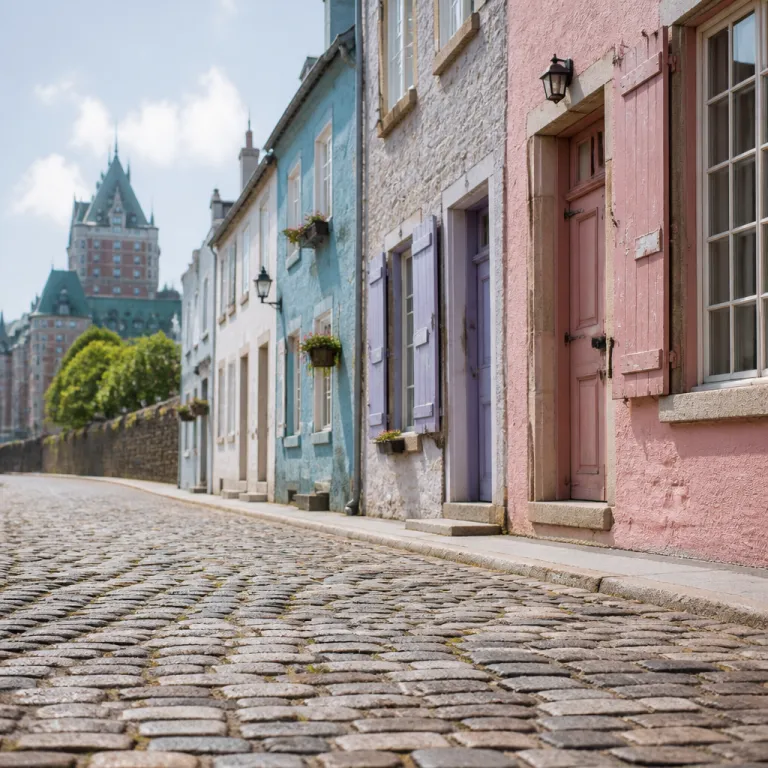
Down by the river, Quartier Petit Champlain and Place Royale offer a different perspective on Quebec City old town attractions. Cobblestone lanes, stone façades, and low rise houses create a village like scale that feels intimate even when cruise passengers arrive. If you choose a hotel located in or near this district, you step directly into some of the most photogenic streets in the city every time you leave the lobby.
Petit Champlain, often written as Quartier Petit Champlain, is one of the oldest commercial streets in North America and is lined with independent shops, cafés, and bistros. Place Royale, a short walk away, marks the historic place where Quebec City was founded, and its church and square are central to many guided tour narratives. Staying nearby allows you to explore these things Quebec travellers come for in the early morning, when delivery vans and local residents briefly outnumber visitors.
The Lower Town is also convenient for riverfront excursions and day trips beyond the city. From here, it is straightforward to join a tour to Montmorency Falls, where water plunges from a height greater than Niagara, or to the Parc national de la Jacques Cartier, a national park of deep glacial valleys north of the city. If your travel plans include both urban heritage and nature, basing yourself close to the Old Port can reduce transfer times and make it easier to experience the best things in and around Quebec City, Canada within a short stay.
Monastère des Augustines and heritage stays with a contemplative mood
Among Quebec City old town attractions, the Monastère des Augustines stands out as both a museum and a place to stay. This restored convent, located within the historic centre, offers a hotel style experience shaped by the legacy of the Augustines sisters who founded one of the first hospitals in North America. Guests sleep in simple yet comfortable rooms, some inspired by the original monastic cells, and share quiet common spaces that encourage reflection after busy days of sightseeing.
The Monastère des Augustines is part of a wider trend in the city where historic religious complexes have been adapted for cultural and hospitality uses. When you book a room here, you are not only choosing a hotel in Quebec City but also supporting the preservation of archives and artefacts that document centuries of healthcare in Canada. Exhibitions on site explain how the Monastère des Augustines evolved, while wellness programs and healthy cuisine provide a calm counterpoint to the busy streets of Vieux Québec just outside.
For travellers who value authenticity, this type of stay can be one of the most memorable things about a visit. You wake up within stone walls that have witnessed the transformation of the city from a French colony to a modern Canadian destination, yet you are still within walking distance of the main attractions. From the Monastère des Augustines, it is an easy walk to the Château Frontenac, the city walls, and the riverfront, making it a practical choice for those who want both atmosphere and convenience.
Green spaces, national parks, and day trips from your hotel base
While most Quebec City old town attractions are urban, green spaces play a crucial role in how visitors experience the destination. The Plains of Abraham form a vast park just outside the fortified core, offering lawns, wooded areas, and river views that locals use for jogging, picnics, and cross country skiing. Choosing a hotel located near this park gives you immediate access to one of the city’s most versatile open spaces, ideal for a quiet break between museum visits.
Beyond the urban parkland, several national parks and natural sites are within easy reach of Quebec City. Parc national de la Jacques Cartier, often simply called Jacques Cartier National Park, lies to the north and offers hiking, canoeing, and snowshoeing in a dramatic glacial valley that contrasts sharply with the stone streets of Vieux Québec. Many hotels can arrange or recommend a tour that combines this national park with other top things to do, such as a stop at Montmorency Falls or a scenic drive along the Côte de Beaupré.
Travellers sometimes underestimate how close nature is to the historic centre of this city. In practice, you can spend a morning on a walking tour of the old town, then be standing beside Montmorency Falls or in a forested valley of Jacques Cartier by mid afternoon. When you plan your travel, consider whether you prefer to stay in the heart of the old city or slightly outside the walls near major roads, as this can influence how easily you reach these landscapes that stretch between Quebec and the wider region of eastern North America.
Practical tips for booking hotels around Quebec City old town attractions
Booking a hotel in Quebec City is easier when you align your choice with the specific attractions you care about most. If your priority is to explore churches, museums, and historic streets, focus on properties located inside or just beside the city walls of Vieux Québec. Travellers who plan to join several guided tours should check where each walking tour or coach tour departs, then choose a base within a comfortable ten to fifteen minute walk.
Seasonality also shapes the experience of Quebec City old town attractions and the availability of rooms. Summer brings festivals, cruise ships, and long evenings on Dufferin Terrace, while winter transforms the city into a snow covered stage for the Winter Carnival and outdoor skating. According to local tourism information, “Summer for festivals; winter for carnival.”
Whatever the season, a few principles remain constant for this Canadian destination. Wear comfortable shoes, as the slopes between Upper Town and Lower Town can be steep, and consider travel insurance if you plan to add excursions to Montmorency Falls or Parc national de la Jacques Cartier. Finally, book flexible rates when possible, because weather can influence how you sequence the best things to do in Quebec, from strolling Quartier Petit Champlain to lingering in the park on the Plains of Abraham or visiting Notre Dame de Québec before an evening drink overlooking the river.
Key figures that frame Quebec City old town attractions
- Old Quebec welcomes roughly 2.5 million visitors each year, according to Quebec tourism authorities, which means booking your hotel early is wise during peak summer and winter periods.
- The UNESCO World Heritage listing for Vieux Québec covers dozens of recognised historic buildings and sites within a walkable area of just a few square kilometres, giving travellers an unusually dense concentration of heritage.
- Guided walking tours typically last between 90 and 120 minutes, so choosing a hotel within a short walk of the meeting point can save time and energy over a multi day stay.
- Major green spaces such as the Plains of Abraham cover more than 100 hectares near the old town, offering ample room for outdoor activities within minutes of most central hotels.
FAQ about Quebec City old town attractions and hotels
What is the best time to visit Old Quebec for hotel stays ?
Summer is ideal if you want festivals, café terraces, and long evenings on Dufferin Terrace, while winter appeals to travellers who enjoy snow, Christmas markets, and the Winter Carnival. Spring and autumn bring fewer crowds and often better hotel value, with mild temperatures for walking tours. Your choice should reflect whether you prefer lively streets or a quieter, more contemplative city.
Are guided tours of Quebec City old town attractions available ?
Yes, a wide range of guided tours operate year round, including classic walking tours of Vieux Québec, themed history walks, and coach excursions that combine the city with Montmorency Falls or Parc national de la Jacques Cartier. Many tours depart from central points near the Château Frontenac, Place d’Armes, or the Old Port. When you book your hotel, check how far it is from these meeting locations.
Is Old Quebec accessible for travellers with reduced mobility ?
Parts of Old Quebec are challenging because of steep streets, cobblestones, and stairs between Upper Town and Lower Town. However, the funicular between Dufferin Terrace and Quartier Petit Champlain, as well as some adapted routes, can ease movement. It is advisable to contact your hotel and specific attractions in advance to confirm accessible entrances and facilities.
How many days should I plan to stay in Quebec City to see the main sights ?
A stay of two to three nights allows you to see the principal Quebec City old town attractions at a comfortable pace, including the Château Frontenac, the city walls, Quartier Petit Champlain, and the Plains of Abraham. Adding an extra night gives you time for a day trip to Montmorency Falls or Parc national de la Jacques Cartier. Travellers who enjoy museums and long café stops may appreciate four nights or more.
Should I stay inside the city walls or in nearby neighbourhoods ?
Staying inside the city walls of Vieux Québec offers unmatched atmosphere and immediate access to the main historic streets, which is ideal for first time visitors. Hotels just outside the walls, especially near the Plains of Abraham or the Old Port, can provide slightly larger rooms or easier car access while remaining within walking distance of key sites. Your decision should balance budget, mobility needs, and how much time you plan to spend in the old town versus exploring wider Quebec.
Trusted references for further planning
For detailed practical information and current opening hours, consult the official sites of Destination Québec Cité, Parks Canada, and the UNESCO World Heritage Centre.