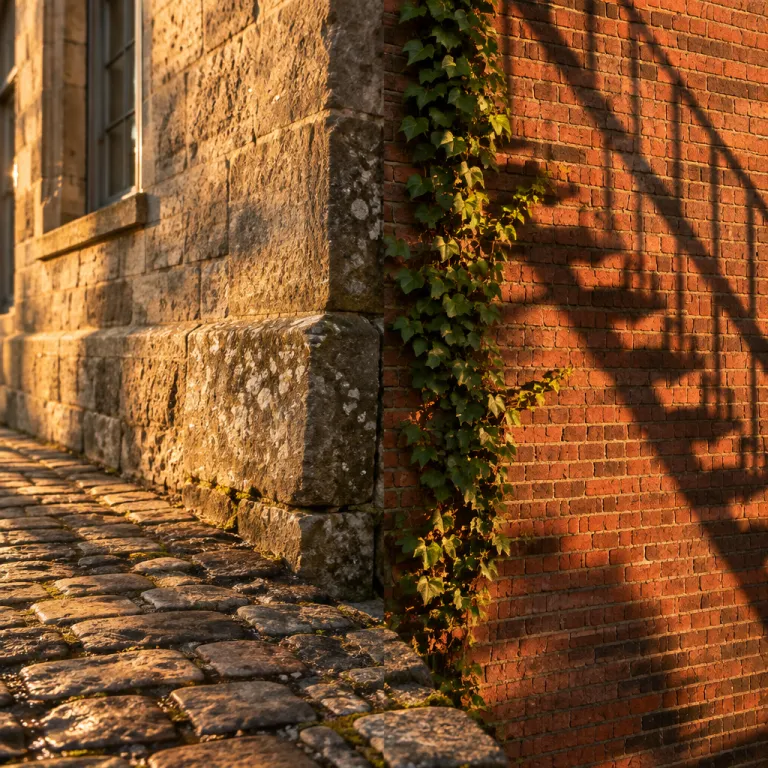
Quebec City vs Montréal for vacation: how the two cities feel on arrival
Landing in Canada, your first decision is emotional as much as practical. When travellers weigh Quebec City vs Montréal for vacation, they are really choosing between two very different urban rhythms, two distinct city personalities, and two ways to experience French heritage. Quebec City feels intimate and story driven, while Montréal feels expansive, layered, and constantly in motion.
Quebec City is the only fortified city north of Mexico, and its stone walls, steep streets, and the silhouette of Fairmont Le Château Frontenac immediately frame your trip around history and scenery. Montréal, by contrast, is a larger metropolis with neighbourhoods that stretch from the St Lawrence River up to Mount Royal, and the city’s energy is defined by festivals, nightlife, and a cosmopolitan mix of cultures that goes far beyond French and English. When you compare the two destinations, you are really asking which place best matches the pace, food, and activities you want from each day of your vacation.
For many travellers, Quebec City will feel better suited to a shorter, atmospheric stay, while Montréal often works as a longer base with more varied urban activities. Some visitors choose a day trip between the two cities, but if you only have limited time to visit, it is usually wiser to anchor your hotel choice in one city and then plan a single day excursion to the other if schedules allow. Before you book, read your own priorities honestly; your ideal city will depend less on guidebook rankings and more on how you like to walk, eat, and spend your evenings.
Where to stay in Quebec City vs Montréal: neighbourhoods that shape your trip
When you weigh Quebec City vs Montréal for vacation, the neighbourhood you choose will define how you experience each city. In Quebec City, most first time visitors stay in Vieux Québec, either Upper Town near Château Frontenac or Lower Town around Petit Champlain and Place Royale, where cobbled streets and river views are steps from your hotel. Montréal, by contrast, offers a wide grid of districts from Old Montréal to the Plateau, Mile End, and downtown, each with different food scenes, nightlife, and price points.
For Quebec City, Vieux Québec and the area just outside the walls in Saint Jean Baptiste are the best options if you want to walk almost everywhere and feel immersed in French language and architecture. These places put you close to the St Lawrence River, the funicular to Petit Champlain, and many of the city’s best restaurants, while still allowing quick access to buses for a day trip to Montmorency Falls or Île d’Orléans. In Montréal, Old Montréal offers cobblestone streets and heritage buildings, but many travellers prefer to sleep in the Plateau or downtown for easier metro access and a quieter night after late activities.
If you are torn between an apartment rental and a traditional hotel, compare how that choice plays out differently in each city. In Quebec City, staying in a hotel inside the walls often means smaller rooms but unbeatable atmosphere, while apartments outside the centre give more space but less instant charm. In Montréal, the larger housing stock means more choice in both apartments and hotels, but you will need to think about metro lines and how much time you want to spend commuting each day to the places you plan to visit.
Best neighbourhoods to stay in Quebec City: Old Town, Saint Jean Baptiste, and beyond
For someone choosing a hotel in Quebec City, the question is less Quebec City vs Montréal for vacation and more which part of Quebec City will feel like your temporary home. Vieux Québec is divided into Upper Town and Lower Town, and each side of the hill offers a different way to experience the city’s French character, food, and streets. Upper Town clusters around Fairmont Le Château Frontenac, the Citadelle, and the Dufferin Terrace, while Lower Town stretches along the St Lawrence River through Petit Champlain and the Old Port.
Upper Town is ideal if you want a hotel that keeps you close to major landmarks and museums, and it works especially well for a first time visit when you want to minimise transport time. From here, you can walk to the Plains of Abraham, explore the fortified walls, and still be only a short ride from Montmorency Falls or Île d’Orléans for a countryside day trip that contrasts with city life. Lower Town, particularly around Petit Champlain, offers narrower streets, artisan shops, and a more intimate feel, but you should be prepared for more stairs and steeper walks back to your room at the end of the day.
Just outside the walls, Saint Jean Baptiste and Montcalm give you a more local experience, with cafés, independent shops, and slightly quieter evenings, which many travellers find better for longer stays. These neighbourhoods still keep you within a fifteen minute walk of Old Québec, and they are convenient if you plan to visit museums frequently or want easier access to both the historic core and newer districts. Compared with a typical Montréal visit, you will notice that Quebec City’s scale makes it easier to stay central and still reach most activities on foot, which can save both time and energy during your trip.
Food, culture, and daily rhythm: which city is better for your style
Food often decides Quebec City vs Montréal for vacation more than any map or list of attractions. Montréal is widely regarded as one of Canada’s best food cities, with everything from bagels and smoked meat to high end tasting menus, and its multicultural population means you can eat globally without leaving a few streets around the Plateau or Mile End. Quebec City, while smaller, offers a concentrated scene of French inspired bistros, Québec terroir cuisine, and riverside dining that feels closely tied to the St Lawrence River and the farms of Île d’Orléans.
If you want late night activities, live music, and a different bar every evening, Montréal will probably feel better suited to your travel style. A typical day in Montréal might start with coffee in Mile End, continue with a museum in the downtown core, and end with dinner in Little Italy or Chinatown, all linked by the metro and walkable streets. Quebec City’s rhythm is calmer; evenings often revolve around a leisurely dinner in Vieux Québec, a stroll along Dufferin Terrace under the lights of Château Frontenac, and perhaps a drink in a stone walled bar before returning to your hotel.
Cultural programming also differs between the two cities, and this can influence the best time to visit each destination. Montréal hosts major festivals across music, comedy, and film, which can make a visit feel like a continuous celebration but also raise hotel prices and crowd levels. Quebec City focuses more on heritage, seasonal events, and riverfront activities, and if you read local tourism calendars you can align your trip with quieter streets or specific events that interest you rather than simply following peak dates.
Planning your itinerary: how much time in each city and key day trips
When travellers ask about Quebec City vs Montréal for vacation, they often underestimate travel time and overestimate how much they can comfortably see in a single day. The train ride between Montréal and Quebec City typically takes about three and a half hours according to VIA Rail Canada schedules, which makes a same day visit from one city to the other possible but tiring if you also want to explore on foot. A better approach is to allocate at least two nights in each city if you plan to split your trip, or to base yourself in one place and add a single day trip to the other if your schedule is tight.
From Quebec City, classic excursions include Montmorency Falls, which towers higher than Niagara Falls and lies only about fifteen minutes from the city, and Île d’Orléans, a rural island in the St Lawrence River known for farm stands and panoramic views. These places contrast beautifully with the stone streets of Vieux Québec and Petit Champlain, and they help you understand how closely the city is tied to the river and surrounding countryside. In Montréal, popular day trips include the Laurentians for lakes and hiking, or a focused itinerary that moves through Old Montréal, the Old Port, and Mount Royal Park without leaving the city limits.
If you only have limited time, think about what you want each day to feel like rather than how many cities you can tick off. A three night stay in Quebec City with one countryside excursion can feel richer than a rushed circuit between Montréal and Quebec City that leaves you exhausted. As a rough guide, mid range travellers might budget around CAD 200–300 per night for a centrally located hotel in Quebec City and slightly less on average in Montréal, adjusting up or down based on season and how close you want to be to the main sights.
Seasonality, weather, and the best time to book your hotel
Choosing between Quebec City vs Montréal for vacation also means choosing the season and the best time to visit each city. Winters in both cities are cold, but Quebec City often feels more intense because of its hilltop position above the St Lawrence River and the way wind funnels through narrow streets. Montréal, while also cold, offers more underground passages and a denser metro network, which can make a winter visit slightly more comfortable if you prefer to minimise outdoor walking.
Spring and autumn are often the best time windows for travellers who want milder temperatures, lower hotel prices, and fewer crowds in both cities. In Quebec City, autumn colours along the river and around Montmorency Falls and Île d’Orléans can be spectacular, and the cooler air makes walking between Upper Town and Lower Town more pleasant. Montréal in these shoulder seasons offers café terraces, park picnics, and cultural activities without the peak summer festival crowds, which can make the city feel more relaxed and easier to navigate.
Summer brings long days and a full calendar of activities in both cities, but it also means higher demand for the best located hotels, especially around Château Frontenac in Quebec City and in Old Montréal. If you plan to visit during this period, book your hotel early and read cancellation policies carefully, as flexible rates can be worth the extra cost when weather or plans change. For winter stays, consider whether you want to embrace snow based activities such as tobogganing near Dufferin Terrace in Quebec City or skating in Montréal, and then choose a hotel that keeps your daily walking time reasonable between the places you plan to visit.
How Quebec City and Montréal compare for hotel value, access, and overall experience
From a pure value perspective, Quebec City vs Montréal for vacation is a nuanced comparison rather than a simple ranking. Montréal generally offers a wider range of hotel categories and price points, especially outside Old Montréal and downtown, which can make it easier to find a room that fits a tight budget. Quebec City, with its more compact historic core, often commands higher prices for hotels inside the walls near Château Frontenac and Petit Champlain, but many travellers feel the immersive atmosphere justifies the cost.
Access also differs between the two cities, and this can influence which destination is better for your specific trip. Montréal has a larger international airport with more direct flights, and its train and bus connections to other Canadian cities are more frequent, which can reduce overall travel time. Quebec City’s airport is smaller but efficient, and once you arrive, the short distance between the airport and Vieux Québec means you can often be checked into your hotel and walking the streets within an hour of landing.
Ultimately, the choice between Montréal and Quebec City comes down to what you want to feel when you step outside your hotel each morning. If you crave big city energy, diverse food, and late night activities, Montréal plans will likely suit you better, especially for longer stays. If you imagine stone streets, river views, and a strong sense of French history at every turn, then a Quebec City itinerary centred on Vieux Québec, Montmorency Falls, and Île d’Orléans will give you a concentrated, memorable experience that many travellers remember as the highlight of their time in Canada.
Key figures for planning a stay in Quebec City and Montréal
- Quebec City and Montréal are roughly 250 kilometres apart by road, and the train journey between the two cities typically takes about three and a half hours according to VIA Rail Canada, which makes overnight stays in each city more comfortable than same day returns.
- Tourism Québec data indicate that Quebec City welcomes several million visitors annually, with a significant share staying in or near Vieux Québec, which explains why hotel occupancy and prices are highest inside the historic walls during peak periods.
- Montréal’s metropolitan population exceeds four million residents based on recent Statistics Canada figures, making it the second largest city in Canada and supporting a much broader range of hotels, restaurants, and cultural activities than smaller urban centres.
- Montmorency Falls stands at approximately 83 metres high, which is about 30 metres higher than Niagara Falls, giving Quebec City one of the most dramatic waterfall day trip options accessible within a short drive from the city centre.
- Fairmont Le Château Frontenac has more than 600 guest rooms and suites, and its position overlooking the St Lawrence River makes it one of the most photographed hotels in the world, which significantly shapes the skyline and visual identity of Quebec City.
FAQ: Quebec City vs Montréal for your next vacation
Is Quebec City or Montréal better for a first visit to Canada ?
For a first visit to Canada focused on French heritage and walkable streets, Quebec City often feels more immediately immersive because of its fortified Old Town and compact scale. Montréal, however, offers a broader mix of cultures, food, and nightlife, which can be better if you want a large city experience. Many travellers start in Montréal for easier flight connections and then add several days in Quebec City for contrast.
How many days should I spend in Quebec City compared with Montréal ?
A common pattern is two or three nights in Quebec City and three to five nights in Montréal, especially if you enjoy museums, concerts, and varied dining. Quebec City’s main historic sights can be seen comfortably in two full days, with an extra day for Montmorency Falls or Île d’Orléans. Montréal’s size and neighbourhood diversity reward a longer stay, particularly if you plan several themed days such as food, arts, and outdoor activities.
Is it realistic to visit both cities on one trip without rushing ?
It is realistic to visit both Quebec City and Montréal on one trip if you have at least six or seven nights in total. With less time, you risk spending too many hours in transit between the cities instead of enjoying local streets and activities. If your schedule is short, choosing one city as a base and planning a single day trip to the other is usually more relaxing.
Which city is more budget friendly for hotels and food ?
Montréal generally offers more budget friendly options because of its larger hotel inventory and wider range of casual dining, especially outside the most touristed areas. Quebec City can feel more expensive in and around Vieux Québec, where historic properties and limited space keep prices higher. Travellers who are flexible on dates and willing to stay just outside the Old Town walls in Quebec City often find better value without sacrificing access.
Do I need to speak French to enjoy Quebec City and Montréal ?
French is the primary language in both Quebec City and Montréal, but staff in hotels, restaurants, and major attractions usually speak English as well. Learning a few basic French phrases is appreciated and can enrich your interactions, especially in smaller shops and local cafés. In general, language should not deter you from choosing either city, as visitors are welcomed in both English and French across most tourist facing places.