Understanding how safe Québec City is for tourists
Québec City consistently ranks among the safest cities in Canada for visitors. When travelers ask “is Québec City safe for tourists”, they are usually reassured by low crime rates and a calm urban rhythm. You feel that this compact city in North America invites you to walk, linger, and truly read its atmosphere, especially in the historic streets and along the St Lawrence River.
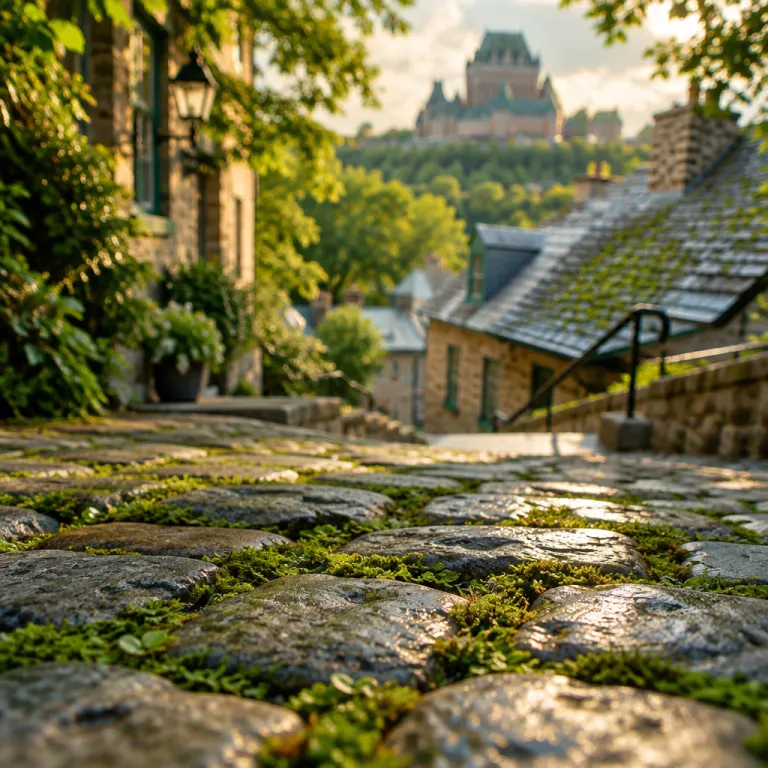
The historic core of Québec City, known as Vieux Québec, is a UNESCO World Heritage Site and one of the city’s best preserved districts. Cobblestone streets, stone houses, and the Château Frontenac rising above the St Lawrence River create a setting where people comfortably visit Québec by day and evening. Many travelers say that the best place to feel the city’s character is simply to stay Québec side by side with locals in these central neighborhoods and observe how residents use the streets at different hours.
Safety here is not only about statistics; it is also about how the city feels at street level. You will see families strolling late at night, solo female visitors taking photos near Porte Saint Jean, and older couples returning to their hotels after dinner. This everyday life rhythm helps many first time visitors quickly find their bearings and relax during their trip, while still keeping normal urban awareness.
Safest central neighborhoods for first time visitors and hotel stays
For someone choosing a hotel, the question “is Québec City safe for tourists” usually starts with Vieux Québec. Inside the old walls, around Rue Saint Jean and the upper town terraces, you will find some of the best located hotels in the city, with short walking distances to major sites. This area is ideal if you want to visit Québec without relying heavily on taxis or buses and prefer to return to your room on foot after dinner or an evening concert.
Upper town around the Château Frontenac and the Parliament feels particularly reassuring for solo female travelers and cautious visitors. Streets are well lit, police presence is discreet but visible, and most activity revolves around restaurants, galleries, and cultural venues rather than late night clubs. If you want easy access to historical sites while keeping transfers short, this area is often considered the best place to stay in Québec City for history lovers and you can explore more options through this guide on where to stay in Québec City for easy access to historical sites and well rated Vieux Québec hotels.
Just beyond the walls, the Saint Jean and Saint Roch districts offer a different city Québec experience while remaining safe for most travelers. Saint Jean is lively and very French in character, with cafés, bakeries, and small hotels that suit both short and long stay Québec itineraries. Saint Roch, once more industrial, has become one of the best places for creative restaurants and bars, and many visitors find that this neighborhood balances authentic city life with reassuring safety at any time of day, especially along its main commercial arteries.
Old town charm versus modern districts; how safety feels on the ground
When you compare Vieux Québec with newer districts such as Saint Roch, the question “is Québec City safe for tourists” becomes more about nuance than risk. The old town is where most people visit Québec for the first time, and its compact layout makes it easy to find your way back to your hotel. Streets around the Château Frontenac, Rue du Trésor, and Place Royale remain busy with visitors, which usually contributes to a strong sense of security and clear wayfinding.
In Saint Roch, the atmosphere is more local and creative, with design shops, microbreweries, and some of the city’s best casual restaurants. Female travelers often appreciate that even in this more urban setting, the area feels manageable, with clear main streets and frequent public transport links to other parts of the city Québec. If you enjoy a contemporary vibe but still want to feel safe walking back to your hotels at night, Saint Roch can be an excellent base for a longer trip and offers a good contrast to the old town.
Upper town and lower town are connected by steep streets and funiculars, and some visitors worry about walking these routes after dark. In practice, these paths are well lit, and you will usually see other travelers returning from dinner or an evening city read on the fortifications. When you choose where to stay, think about your preferred walking time and elevation rather than safety alone, and use resources such as this analysis of how Québec City old town attractions shape your hotel choice to refine your decision and compare different neighborhood options.
Seasonal safety; winter stays, festivals, and practical planning
Another layer to “is Québec City safe for tourists” concerns the seasons, especially winter. Québec City is famous for its snow covered streets, ice sculptures, and the way the Château Frontenac dominates a white landscape. This is one of the best times to experience a truly French inspired city in North America, but it requires some planning and realistic expectations about weather conditions.
In winter, the main safety concern is not crime but ice, snow, and cold, particularly on the slopes between upper and lower town. Choose a hotel close to the places you plan to visit most often, so your walking time on slippery streets remains short and comfortable. Many travelers book hotels near Rue Saint Jean or in the upper town, where sidewalks are cleared quickly and you can easily find cafés for a warm break during the day, especially during cold snaps.
During major events such as the Fête nationale de la Saint Jean Baptiste or the Carnaval de Québec, crowds increase but the city maintains strong organization. Streets around Vieux Québec, Saint Roch, and the Parliament area are monitored, and public transport is adapted to handle the flow of people. If you plan a winter trip or a festival stay Québec, consider comprehensive travel insurance that covers weather related disruptions, as this is often more relevant than security incidents, and check cancellation policies for hotels and excursions.
Choosing the best neighborhood for solo female and cautious travelers
For solo female visitors, the question “is Québec City safe for tourists” is understandably central when choosing a hotel. Many solo female travelers report feeling comfortable walking in Vieux Québec, Saint Jean, and the Parliament Hill area until late evening. These districts combine a strong police presence, good lighting, and a steady flow of people returning to their hotels after dinner or performances, which helps create a predictable environment.
If you prefer a quieter atmosphere, consider staying near the Plains of Abraham or in residential streets just off Rue Saint Jean. These areas keep you close to the best attractions while offering calmer nights and easy access to green spaces during the day. They also provide quick connections to excursions such as Parc national de la Jacques Cartier or Île d’Orléans, where you can experience rural Québec while still returning to the city by evening and keeping your base in a familiar neighborhood.
Travel Québec itineraries often combine Montréal and Québec City, and many visitors compare how each city feels in terms of safety. Montréal Québec has a larger, more complex urban layout, while Québec City is smaller and easier to navigate, which can be reassuring if this is your first trip to Canada. Whether you are moving between the two cities by train or bus, keep the same common sense habits you would use anywhere in North America, and consider travel insurance that covers both urban stays and day trips into the countryside so you can focus on enjoying your route.
Excursions, day trips, and how hotel location shapes safe experiences
Once you feel confident about “is Québec City safe for tourists” within the center, you can look at day trips and how your hotel location supports them. Many visitors choose to stay Québec in the old town or Saint Roch and then join excursions to Île d’Orléans, Parc national de la Jacques Cartier, or Montmorency Falls. Being close to departure points for tours or rental agencies reduces early morning stress and late evening transfers and helps you avoid rushing through unfamiliar streets.
Île d’Orléans offers a peaceful rural landscape just a short drive from the city, with orchards, farm stands, and river views that contrast with the stone streets of Vieux Québec. Jacques Cartier National Park provides hiking, canoeing, and snowshoeing, and organized tours usually include transport and guidance, which helps first time visitors feel secure. When you plan these outings, ask your hotel reception about the best operators, and verify that your travel insurance covers outdoor activities in Québec and the wider Canada region, including winter sports where relevant.
Some travelers also combine cultural experiences with nature, such as whale watching excursions that start from Québec City and head towards the Saguenay–Saint Lawrence Marine Park. If this appeals to you, it is worth reading a practical guide to whale watching tours from your hotel in Québec City, which explains timings, transfers, and seasonal conditions. Choosing a hotel that coordinates early departures, luggage storage, and late returns can make these long day trips feel smoother and safer, especially if you are traveling with children or older relatives.
Practical safety tips for hotels and neighborhoods in Québec City
Even in a city widely regarded as safe, it is reasonable to keep asking “is Québec City safe for tourists” when you finalize your booking. Start by checking that your chosen hotel has 24 hour reception, secure room access, and clear information about emergency procedures. Properties in Vieux Québec, Saint Jean, and Saint Roch that cater to international travel often publish these details clearly, which can help you feel more confident and compare different options.
When you arrive, take a few minutes to read the hotel map, note the nearest exits, and ask staff about any streets they recommend avoiding late at night. Most will simply suggest staying on main routes such as Rue Saint Jean, Grande Allée, or the principal arteries of Saint Roch, where there is more activity and better lighting. Keep valuables in the room safe, carry only what you need for the day, and use the same level of awareness you would in other cities in North America, including keeping copies of key documents.
For many visitors, the combination of French heritage, Canadian efficiency, and a compact city layout makes Québec one of the best urban destinations for a relaxed trip. Whether you are a solo female traveler, a couple, or a family, you will likely find that the city’s rhythm, its UNESCO heritage old town, and its well organized public services answer the question “is Québec City safe for tourists” with reassuring clarity. With thoughtful planning, the right neighborhood choice, and suitable travel insurance, you can focus on enjoying your stay Québec rather than worrying about security and make the most of your time in the city.
Key safety and travel statistics for Québec City
- According to Statistics Canada’s police reported crime data tables for 2022, Québec City records one of the lowest overall crime rates among major Canadian census metropolitan areas, with total Criminal Code incidents per 100,000 residents well below the national average, which supports its reputation as a safe destination for tourists.
- Tourism Québec and Destination Québec cité reports indicate that a significant share of international visitors come from other parts of North America and Europe, and that repeat visitation rates remain high from year to year, suggesting that travelers feel comfortable returning after their first trip and recommending the city to others.
- Reports from the Ville de Québec on public security and urban planning note that pedestrian friendly areas such as Vieux Québec and the Parliament Hill sector receive substantial investment in lighting, snow removal, and public space maintenance, which directly contributes to perceived safety for visitors walking at different times of day and in different seasons.
- Transport authorities in Québec City highlight that the Réseau de transport de la Capitale (RTC) maintains extensive bus coverage, and user satisfaction surveys published in recent years consistently show high ratings for reliability and safety on main tourist routes, including services linking Vieux Québec, Saint Roch, and other central districts.
FAQ about safety and where to stay in Québec City
Is Québec City safe for tourists walking at night
Central areas such as Vieux Québec, Rue Saint Jean, and the Parliament Hill district are generally considered safe for walking at night, with good lighting and regular foot traffic. As in any city, it is wise to stay on main streets, avoid poorly lit shortcuts, and keep valuables discreet. Many visitors, including solo female travelers, report feeling comfortable returning to their hotels on foot after dinner or performances, especially when they plan their route in advance.
Which neighborhoods are best for a first stay in Québec City
For a first visit, most travelers choose to stay in Vieux Québec, the upper town near the Château Frontenac, or just outside the walls along Rue Saint Jean. These neighborhoods offer easy access to major sights, a wide choice of hotels, and a strong sense of security thanks to constant activity and visible services. Saint Roch is another good option if you prefer a more contemporary atmosphere while remaining close to the historic center and enjoying a broader range of restaurants and cafés.
Is Québec City safe for solo female travelers
Solo female travelers generally find Québec City welcoming and manageable, especially in central districts like Vieux Québec, Saint Jean, and Saint Roch. The compact layout, reliable public transport, and low crime levels contribute to a reassuring environment. Usual precautions still apply, such as sharing your itinerary with someone you trust, avoiding excessive alcohol, and using licensed taxis or recognized ride services late at night, particularly if you are staying farther from the old town.
Do I need travel insurance for a trip to Québec City
While Québec City is considered safe, travel insurance remains strongly recommended for any international trip. A good policy can cover medical expenses, trip cancellations, lost luggage, and weather related disruptions, which are particularly relevant in winter. Check that your insurance also covers planned activities such as excursions to Île d’Orléans, Parc national de la Jacques Cartier, or other outdoor experiences in the Québec region, and confirm coverage limits before departure.
Is public transport in Québec City safe for tourists
The city’s bus network, operated by the Réseau de transport de la Capitale, is widely used by locals and visitors and is generally regarded as safe. Main tourist routes connect Vieux Québec, Saint Roch, and other central areas, and stops are usually well lit and signposted. As always, keep an eye on your belongings during busy periods, but most travelers find the system straightforward and reliable, and many hotels can help you read schedules and plan routes.