How a Québec City 3 day itinerary shapes your hotel choice
Planning a thoughtful Québec City 3 day itinerary is the smartest way to choose the right hotel for your stay. When you match each day and night to a specific neighbourhood, you save time, reduce stress, and enjoy a more local rhythm in this compact city. Over three days you can balance history, river scenery, and nature escapes while still returning to a comfortable room that fits your style.
Québec City is one of the oldest cities in North America, founded in 1608, and its layered history directly influences where you should sleep and how you should move between each site. The walled Upper Town, the riverside Lower Town, and the quieter districts beyond the fortifications each offer a different atmosphere, so your summer itinerary should align with the experiences you value most. Think about whether you want to wake up near the Saint‑Lawrence River, close to the Plains of Abraham, or steps from the restaurants that stay lively late into the evening.
For many travellers, the best approach is to treat the first day as an immersion in Old Québec, the second day as a deeper dive into culture and the Lower Town, and the third day as an escape to nature at Montmorency Falls or Parc national de la Jacques‑Cartier. This structure lets you compare hotels in Old Town, Saint‑Roch, and Sainte‑Foy based on how easily they connect to each day’s plan. As you refine your days in Québec, you will quickly see which city neighbourhood offers the most convenient base for your own pace.
Staying inside the walls: Upper Town around Château Frontenac
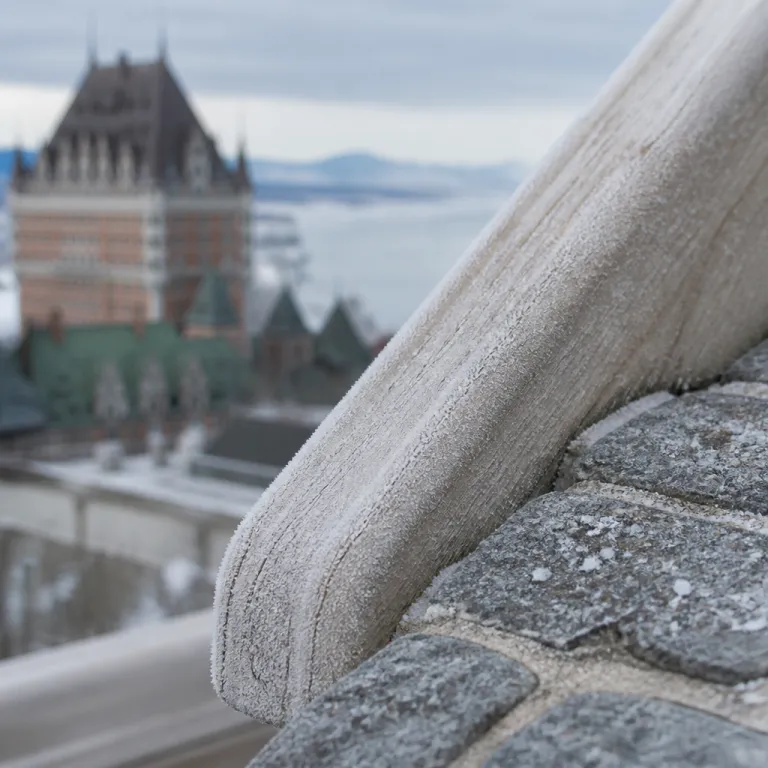
Upper Town is the postcard image of Québec City, and for a first visit it often becomes the natural base for a Québec City 3 day itinerary. Here you walk along cobbled streets, pass stone houses, and see the copper roof of Fairmont Le Château Frontenac rising above the Saint‑Lawrence River. This area is compact, so you can move from your hotel to major sights in minutes, which is ideal when you only have a few days.
Place d’Armes, Rue Saint‑Louis, and the streets around Château Frontenac are located at the heart of city Québec, and they are perfect if you want to feel history under your feet from the first day. You can start a summer itinerary with a guided walk that explains how Samuel Champlain founded the town, then continue to the fortifications and the Plains of Abraham without ever needing a taxi. Many travellers who stay here say that the best part is stepping outside at night and finding the city almost theatrical, with lit stone facades and carriage horses waiting quietly.
Upper Town also works well if you plan to spend one or two days in Québec focused on museums and cultural venues. The funicular linking Dufferin Terrace to Quartier Petit‑Champlain departs just below Château Frontenac, so you can descend to the riverfront in a couple of minutes and return easily to your room. For a detailed overview of where to stay in Québec City, including the best areas and hotels for every trip, consult this guide: where to stay in Québec City, best areas and hotels for every trip.
Lower Town, Petit‑Champlain and the riverfront for atmospheric evenings
Lower Town, especially Quartier Petit‑Champlain, is where Québec City leans closest to the Saint‑Lawrence River and feels most intimate. Narrow streets lined with stone houses, artisan shops, and small restaurants make this a great base if you want evenings filled with atmosphere. During city summer months, terraces spill into the lanes and musicians play near Place Royale, so staying nearby means you can enjoy it all without watching the time.
For a Québec City 3 day itinerary that prioritises romance and photography, spending at least one or two days in Québec focused on Petit‑Champlain is a strong choice. You can start the day with coffee on Rue du Petit‑Champlain, ride the funicular up to Château Frontenac, then walk the Dufferin Terrace and the fortifications before returning to the riverfront for dinner. The contrast between Upper Town’s grand vistas and Lower Town’s intimate scale is one of the city’s best qualities, and sleeping near the river lets you feel that shift every time you climb or descend.
Hotel Germain Québec, often simply called Germain Québec, is located in the Old Port area and offers a refined, contemporary base within walking distance of Petit‑Champlain and the cruise terminal. This hotel Germain property is especially convenient if you plan a day trip on the Saint‑Lawrence River or want quick access to ferries and river cruises. If you are comparing hotels in the historic district, this detailed resource can help you find the best option: Québec City hotels in Old Town and where to stay in the historic district.
Beyond the ramparts: Saint‑Roch, Saint‑Jean‑Baptiste and Sainte‑Foy
Travellers who want a more local feel during their Québec City 3 day itinerary often look beyond the walls to Saint‑Roch or Saint‑Jean‑Baptiste. These neighbourhoods are located uphill or downhill from Old Québec, but they remain close enough that you can walk or take a short bus ride back to the main historic site. They offer great value, especially in summer, when hotels inside the walls can be at their highest prices.
Saint‑Roch is known for creative restaurants, cafés, and a younger crowd, which makes it a good base if you want your days in Québec to include both history and nightlife. You might spend the first day exploring Upper Town and the Plains of Abraham, then return to Saint‑Roch for dinner in a converted warehouse and a drink on a terrace. Saint‑Jean‑Baptiste, centred on Rue Saint‑Jean, feels more residential and French in character, with bakeries, small grocers, and local bars that give you a sense of everyday city life.
Sainte‑Foy, further west, is where you find larger properties, shopping centres, and quick road access to nature excursions such as Montmorency Falls and Parc national de la Jacques‑Cartier. If your Québec City summer itinerary includes a full day at Montmorency Falls or a hike in the Jacques‑Cartier national park, staying in Sainte‑Foy can reduce driving time. Families and road‑trippers often appreciate the parking options and quieter evenings here, while still being able to reach Old Québec in about twenty to thirty minutes.
Designing three days: Old Québec, Montmorency Falls and Île d’Orléans
To make the most of a Québec City 3 day itinerary, structure your time so that each day has a clear theme and a logical set of places. On the first day, focus on Old Québec, splitting your hours between Upper Town landmarks such as Château Frontenac, Rue Saint‑Louis, and the fortifications, and Lower Town highlights like Petit‑Champlain and Place Royale. This approach lets you feel the French heritage and military history that define the city before you branch out to nature and countryside.
The second day is ideal for combining culture and river views, perhaps starting at the Musée de la civilisation and then walking along the waterfront to the Old Port. You can schedule a guided tour that explains how Samuel Champlain chose this strategic site on the Saint‑Lawrence River, then return to your hotel for a rest before dinner at a restaurant such as La Légende, which serves cuisine inspired by northern forests. Many visitors also use this day to stroll the Plains of Abraham, where wide lawns and views over the river offer a calm contrast to the narrow streets of the old town.
On the third day, leave the city centre and head to Montmorency Falls, located a short drive from Old Québec, where the waterfall is about 83 metres high, roughly 30 metres higher than Niagara Falls, and offers dramatic views from suspension bridges and cable cars. From there, continue to Île d’Orléans, a rural island in the Saint‑Lawrence River known for farm stands, cider houses, and traditional French‑Canadian architecture that feels far removed from the fortified town. Some travellers also add a visit to the shrine of Sainte‑Anne‑de‑Beaupré on this day, creating a loop that combines natural beauty, religious heritage, and countryside flavours before returning to their hotel for a final evening in the city.
Nature escapes: Parc national de la Jacques‑Cartier and active days
For travellers who want their Québec City 3 day itinerary to include more than urban sightseeing, Parc national de la Jacques‑Cartier is the key nature destination. This Jacques‑Cartier national park is located roughly a forty‑minute drive north of the city, and it offers deep glacial valleys, forested mountains, and a river that invites kayaking or calm rafting. A full day here gives you a different perspective on Québec, one that balances the stone streets of the old town with wide open landscapes.
Many visitors choose to dedicate the second or third day in Québec to this park, especially in summer when the weather is warm and the days are long. You can hike along marked trails that range from easy riverside walks to steeper climbs with panoramic views, then return to your hotel in the evening for dinner in Saint‑Roch or Old Québec. If you are staying in Sainte‑Foy or near the western approaches to the city, you will find that driving time to the park is shorter, which can be a deciding factor when choosing a hotel.
Combining Parc national de la Jacques‑Cartier with Montmorency Falls over two days in Québec creates a strong nature component within a short stay. One day can focus on the dramatic vertical drop of Montmorency Falls and the coastal road towards Sainte‑Anne‑de‑Beaupré, while the other day immerses you in the inland valleys of the Jacques‑Cartier river. This balance between city and countryside is one of the reasons Québec is considered one of the best small destinations in North America for travellers who want both culture and outdoor activity in a single trip.
Practical tips for timing, seasons and choosing the right place
When you design a Québec City 3 day itinerary, timing matters as much as geography. Summer is the most popular season, with festivals, long evenings, and a lively city summer atmosphere that spills from the old town into Saint‑Roch and the Old Port. If you visit at this time, book your hotel early and be prepared for higher prices in the most historic streets.
Travellers often ask, “What is the best time to visit Québec City ?” and the official tourism answer is clear ; “Summer and fall offer pleasant weather and festivals.” This aligns well with a three day plan, because you can comfortably walk between Upper Town, Lower Town, and the Plains of Abraham without worrying about icy sidewalks or very short days. English is widely spoken in Québec City, especially in tourist areas, so you can easily ask local staff for help with directions, restaurant reservations, or public transport.
Whatever season you choose, wear comfortable shoes, check weather forecasts, and reserve accommodations in advance, especially if your days in Québec coincide with major events. Use mobile apps and maps to navigate between your hotel, each historic site, and nature excursions such as Montmorency Falls or Parc national de la Jacques‑Cartier, and do not hesitate to consult your hotel concierge or tourist information centres for updated advice. With a clear summer itinerary or off season plan, you will find that Québec City offers a rare combination of French heritage, river scenery, and accessible nature within a compact urban layout.
Key figures for planning your stay in Québec City
- Québec City welcomes more than 4 million tourists per year, according to Québec Cité, which means that central hotels can fill quickly during peak summer and fall weekends.
- The historic core of Québec City is compact enough that many major sights, including Château Frontenac, Petit‑Champlain, and the Plains of Abraham, lie within roughly two kilometres of each other, making walking a practical option for most visitors.
- Montmorency Falls is located a short distance from Old Québec, so a round trip by car or organised excursion typically takes less than half a day, leaving time for other activities.
- Parc national de la Jacques‑Cartier sits north of the city, which usually translates into a drive of under an hour, depending on traffic and departure point.
FAQ about a Québec City 3 day itinerary and where to stay
What is the best time to visit Québec City for three days ?
Summer and early fall are ideal for a Québec City 3 day itinerary, because temperatures are comfortable, festivals are frequent, and walking between neighbourhoods is pleasant. Shoulder seasons can be quieter and slightly cheaper, but some outdoor activities may be limited by weather. Winter offers a very different charm, yet it requires more planning for clothing and transport.
Is English widely spoken in Québec City hotels and restaurants ?
Yes, English is widely spoken in Québec City, especially in tourist areas, hotels, and most restaurants. Staff in Old Québec, the Old Port, and major attractions are used to international visitors and can usually switch between French and English easily. Learning a few basic French phrases is appreciated, but it is not essential for navigating the city.
Are there guided tours available for a short stay ?
There are many guided tours available that fit neatly into a Québec City 3 day itinerary, including walking tours of Old Québec, food tours in Saint‑Roch, and excursions to Montmorency Falls or Île d’Orléans. Booking one tour on your first day can provide helpful context for the city’s history and layout. Later, you can explore specific areas on your own with more confidence.
Which neighbourhood is best for a first visit of three days ?
For a first visit, staying in Old Québec, either in Upper Town near Château Frontenac or in Lower Town near Petit‑Champlain, is usually the best choice. These areas place you within walking distance of major sights and offer a strong sense of the city’s French heritage. Travellers who prefer a more local feel often choose Saint‑Roch or Saint‑Jean‑Baptiste instead, trading immediate proximity for a different atmosphere and sometimes better value.
How should I split my three days between city and nature ?
A balanced Québec City 3 day itinerary usually dedicates one full day to Old Québec, one day to culture and riverfront areas, and one day to nature. Many travellers combine Montmorency Falls and Île d’Orléans on the same day, then reserve another day for Parc national de la Jacques‑Cartier if they enjoy hiking or paddling. This structure keeps daily travel times reasonable while showcasing the variety of landscapes around the city.