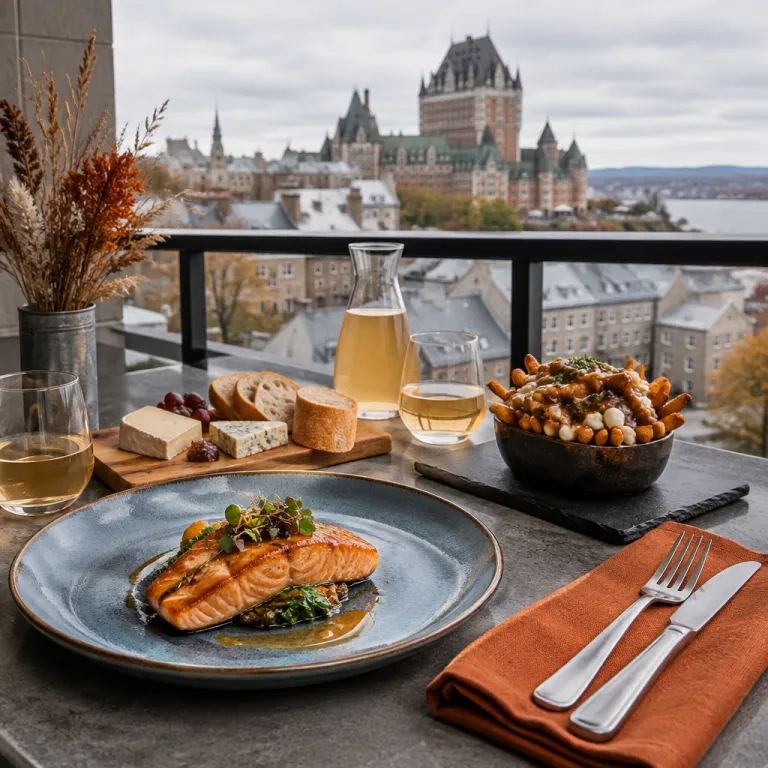
Planning where to stay around the best places to eat in Québec City
Choosing a hotel in Québec City is easier when you start with food. If you map the best places to eat in Québec City first, your ideal location for sleeping, strolling, and dining appears naturally. Many travelers now read a travel guide with a city food lens, then pick their room near the restaurants they most want to try.
Old Québec is compact, so you can walk from your hotel to a restaurant in minutes, which makes spontaneous eating and late evenings at a wine bar feel effortless. Staying inside the walls places you close to traditional québécois comfort food, fine dining addresses, and casual spots serving poutine or maple syrup desserts. If you prefer quieter nights, a hotel just beyond the fortifications still keeps you near excellent restaurants Québec offers while softening the crowds and late-night noise.
Look at a map and follow rue Saint‑Jean, rue Saint‑Louis, and rue Saint‑Paul, because each rue concentrates different styles of cuisine and dining rooms. Around these streets you will find everything from a tiny dining room serving pea soup and meat pie to a larger restaurant with a long wine list and refined French cuisine. When you read Québec hotel descriptions, pay attention to how close they are to these streets and to the Saint‑Lawrence River, since that proximity shapes your daily eating rhythm and how often you can walk instead of taking a taxi.
Old Québec and the Château Frontenac area for iconic dining
The Fairmont Le Château Frontenac dominates the skyline and anchors one of the best places to eat in Québec City. Staying near the Château Frontenac or inside the Fairmont Château itself places you steps from historic restaurants, intimate bars, and river views that frame every meal. The hotel’s own dining room, Champlain Restaurant (1 Rue des Carrières), focuses on elevated French cuisine that highlights local food, from Québec cheeses to Atlantic seafood, and often recommends wine pairings from Québec and Ontario producers.
Within a short walk, you can eat Québec classics in stone walled restaurants that feel centuries old, yet their menu design is modern and seasonal. Nearby, Le Continental (26 Rue Saint‑Louis) serves table‑side flambé dishes and traditional québécois‑French plates in a white‑tablecloth setting, while Le Lapin Sauté (52 Rue du Petit‑Champlain) offers rabbit specialties and maple desserts in a cozy Lower Town cottage. For the best poutine near Château Frontenac, many visitors head to Le Chic Shack (15 Rue du Fort), where gourmet poutines and burgers cost roughly 15–25 CAD and walk‑ins are usually fine outside peak summer evenings.
When you plan your stay, read Québec hotel reviews that mention proximity to Dufferin Terrace, the funicular, and the Saint‑Lawrence River boardwalk. These landmarks signal that you will be close to both fine dining rooms and casual city food options, including poutine spots open late. If café culture matters to you, use this detailed guide on how Québec City’s café scene can shape your hotel stay to refine your preferred location around Old Québec.
Saint‑Roch and Clocher Penché for creative local cuisine
Down the hill from Old Québec, the Saint‑Roch district has become a reference point for the best places to eat in Québec City. Here, former industrial streets now host design forward restaurants, natural wine bars, and cafés where chefs experiment with city food inspired by Montréal and wider North America. The atmosphere feels younger and more local, which many guests appreciate after a day among the historic sites and busier tourist streets.
Clocher Penché (203 Rue Saint‑Joseph Est) is one of the area’s most respected addresses, and staying nearby lets you eat Québec seasonal cuisine without planning far ahead. This restaurant’s menu changes often, but you can expect thoughtful plates that balance French technique with local ingredients, served in a warm dining room that works for both couples and solo travelers. Around Clocher Penché, several other restaurants Québec food lovers praise offer tasting menus, creative comfort food, and natural wine lists that rival those in Montréal, especially along rue Saint‑Joseph and its side streets.
Hotels in Saint‑Roch usually cost less than those beside the Château Frontenac, yet they keep you close to excellent dining and lively bars. For Saint‑Roch natural wine bars, look at places like Les Sales Gosses (620 Rue Saint‑Joseph Est) for bistro plates and bottles, or L’Affaire est Ketchup (46 Rue Saint‑Joseph Est) for a tiny, reservation‑only spot with a chalkboard menu. When you read Québec accommodation descriptions, look for mentions of rue Saint‑Joseph and nearby rues, because these streets form the neighborhood’s culinary spine and place you within a 5–10 minute walk of most restaurants.
Traditional québécois comfort food near your hotel
Many visitors arrive in Québec City with a clear wish list of traditional québécois dishes. They want to eat Québec classics such as poutine, meat pie, and pea soup in restaurants where the recipes feel rooted in local history rather than tourist clichés. Choosing a hotel near streets known for these specialties ensures you can satisfy those cravings without long detours or complicated transit.
Look for restaurants Québec residents frequent along rue Saint‑Jean and in Lower Town, where menus often feature hearty comfort food built for cold winters. On rue Saint‑Jean, Aux Anciens Canadiens (34 Rue Saint‑Louis, just off the main axis) is famous for tourtière and maple syrup sugar pie in a historic house, while nearby La Buche (49 Rue Saint‑Louis) serves rustic québécois comfort food in a lively, wood‑paneled space. A typical menu might pair a rich tourtière meat pie with tangy pickles, or serve pea soup followed by maple syrup sugar pie, all in a cozy dining room with wooden beams.
If you enjoy reading before you travel, pick up a travel guide that explains how Québec’s cuisine developed from French, Indigenous, and British influences. Such a guide helps you read Québec menus with more confidence and understand why certain city food combinations appear repeatedly. When you compare hotel locations, prioritize those that keep you within a ten minute walk of at least two traditional restaurants, because that proximity will shape your nightly eating routine and make last‑minute cravings easier to satisfy.
Fine dining, wine bars, and solo friendly counters
Québec City’s fine dining scene is compact but ambitious, and it rewards travelers who plan their hotel location carefully. Many of the best places to eat in Québec City at this level sit either near the Château Frontenac or in Saint‑Roch, so staying between these zones gives you flexibility. You can enjoy a tasting menu one night, then choose a more relaxed bar with small plates the next, all without using a car or navigating late‑night public transport.
Fine dining restaurants Québec gourmets recommend often highlight local food through multi course menus that change with the seasons. At Laurie Raphaël (117 Rue Dalhousie in the Old Port), tasting menus typically range from about 120–180 CAD per person before wine, and reservations several weeks ahead are wise in high season. Expect refined French cuisine techniques applied to Québec ingredients such as game, seafood from the Saint‑Lawrence River, and desserts sweetened with maple syrup rather than imported sugar. Dining rooms at this level usually accept solo guests at the bar or at smaller tables, which makes solo eating feel intentional and comfortable rather than like an afterthought.
When you read Québec restaurant descriptions, pay attention to whether they mention counter seating, since that detail matters for solo travelers. A counter seat lets you watch the kitchen, talk with staff, and experience the city food culture more directly. For hotel selection, aim for a location that keeps you within walking distance of at least one serious wine bar and one fine dining room, because that combination offers both spontaneity and special occasion options during a short stay.
Seasonal food experiences and where to stay for easy access
Québec City’s seasons shape what appears on every restaurant menu, so timing your stay can transform your eating experience. Spring brings maple syrup festivals and sugar shack inspired dishes into the city, while autumn menus lean into game, mushrooms, and slow cooked comfort food. Winter emphasizes hearty plates such as pea soup and meat pie, which feel especially satisfying after walking along the Saint‑Lawrence River in the cold air and returning to a warm dining room.
Hotel location also influences how easily you can reach seasonal events and markets that highlight local cuisine. Around the Old Port and Lower Town, for example, you will find Marché du Vieux‑Port and other markets where producers from across Québec and even Montréal regions sell cheeses, charcuterie, and maple products. If you plan to attend the German Christmas Market or similar events, consider staying near the historic center; this guide to where to stay for the Québec City German Christmas Market offers precise neighborhood suggestions.
For travelers comparing Québec City with other North America destinations, the compact scale here is a major advantage. You can wake up in a hotel near the Château Frontenac, walk to a café for breakfast, then cross the city on foot for lunch in Saint‑Roch without feeling rushed. When you read city guides or a detailed city read about food, use that information to match your hotel choice with the seasonal eating experiences you value most.
Key figures on Québec City dining and hotel choices
- According to Tourisme Québec and Ville de Québec tourism data, the metropolitan area counts more than 1,000 restaurants, bars, and cafés, giving visitors a high restaurant density compared with many North America cities of similar size.
- Tourism Québec reports that a significant share of visitors cite food and cuisine as a primary reason for choosing the city, which explains the strong link between hotel location and dining decisions and why restaurant districts feel so lively.
- According to regional hospitality data, hotels in Old Québec and near the Château Frontenac consistently achieve higher occupancy rates, partly because guests prioritize walking access to renowned restaurants and city food experiences.
- Market surveys show that travelers who plan at least one fine dining meal during their stay tend to spend more on accommodation, suggesting that interest in cuisine often aligns with higher hotel budgets and a willingness to pay for central locations.
FAQ about eating well while staying in Québec City
Which neighborhoods are best for food focused hotel stays in Québec City ?
Old Québec, the Old Port, and Saint‑Roch are the strongest choices for food focused stays. These areas combine historic charm with dense clusters of restaurants, cafés, and bars within easy walking distance. Staying in or between these neighborhoods keeps you close to both traditional québécois comfort food and contemporary fine dining.
Is Québec City good for solo travelers who love restaurants ?
Québec City works very well for solo travelers who enjoy eating out. Many restaurants offer bar seating or small tables that feel comfortable for solo guests, and staff are generally welcoming. The compact city layout also makes it easy to walk between your hotel, restaurants, and evening bars without needing a car.
How far in advance should I book restaurants in Québec City ?
For popular fine dining rooms and well known traditional restaurants, booking several weeks ahead is wise, especially during holidays and festival periods. More casual spots and bars often accept walk ins, particularly on weekdays or for early seatings. If a specific restaurant is central to your trip, reserve it before finalizing your hotel so you can choose a convenient location.
Can I find traditional québécois dishes near most central hotels ?
Yes, most centrally located hotels sit within a short walk of restaurants serving traditional québécois dishes. In Old Québec and the Old Port, menus frequently feature poutine, pea soup, meat pie, and maple syrup desserts. Saint‑Roch adds a more contemporary twist but still respects local ingredients and flavors.
Is it easy to accommodate dietary restrictions in Québec City restaurants ?
Many Québec City restaurants can accommodate common dietary restrictions such as vegetarian, gluten free, or dairy free preferences. Fine dining establishments and modern bistros usually indicate allergens clearly on the menu and encourage guests to mention needs when reserving. Traditional restaurants may have fewer options, so reading menus in advance and contacting the restaurant can help you choose the best fit.