Best time to visit Quebec City: seasons, weather, and hotel tips
How seasons shape the best time to visit Quebec City
The ideal time to visit Quebec City depends on which season matches your travel style. Each part of the year in this historic city in Canada reshapes the streets, hotels, and activities in a distinct way that will influence how you plan and book your stay. When you start visiting Quebec with clear priorities, you can align your preferred month, budget, and hotel expectations with the rhythm of the seasons and the type of experience you want.
For many travellers, the most appealing period in Quebec City is late spring and early summer when warm weather arrives, average temperatures rise, and outdoor cafés return to life. During this stretch, you enjoy longer daylight hours, comfortable conditions for walking between your hotel and Old Québec, and a lively calendar of festivals and events that still feel manageable before peak crowds. If you want to visit Quebec with a focus on strolling, river views, and relaxed terrace dining, this late May through June window offers an excellent balance of climate, cost, and atmosphere.
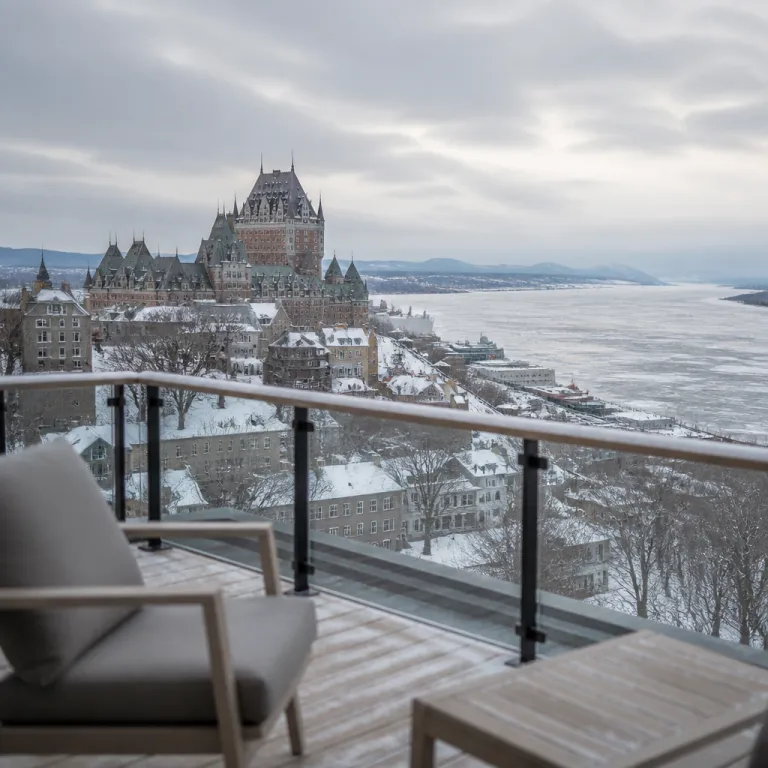
Other guests consider deep winter to be the most magical season, when snow transforms the city into a romantic, storybook landscape. Quebec winter conditions bring thick blankets of snow, crisp air, and a very different hotel experience, from fireplaces in lobbies to heated pools and spa facilities that feel especially indulgent. Choosing your own best moment means deciding whether you prefer warm activities on cobblestone streets or the charm of snow-covered ramparts and frozen river views, and then matching that preference to the time of year that fits your schedule.
Summer in Quebec City: warm weather, festivals, and higher hotel demand
Summer in Quebec City runs roughly from June to early September, and for many visitors this is the prime season for warm weather and long evenings. According to Environment and Climate Change Canada data, average July daytime highs sit near 24 °C, which makes it easy to walk from your hotel to the St. Lawrence River, explore neighbourhoods, and enjoy outdoor activities without rushing. Because this is peak season, you should book your room early if you want the best river views, parking options, or family-friendly layouts in central districts.
During this summer period, the city hosts major festivals and events that shape both availability and pricing for hotels. The famous Festival d’été de Québec, often shortened to Festival d’été or festival été by locals, brings international artists and large crowds, so staying near Old Québec or the Plains of Abraham during this festival can be thrilling but requires advance planning. Around the Fête nationale du Québec, commonly called Saint-Jean-Baptiste or simply Saint Jean, you will also see higher demand as visitors come to experience concerts, fireworks, and street activities that continue late into the warm night.
Late August and early September offer a slightly calmer version of this warm season, with many of the same outdoor activities but fewer crowds in the city. This can be an excellent period for visiting Quebec if you want to enjoy terrace dining, river cruises, and day trips while still finding more flexible hotel rates and better cancellation terms. When you plan to visit Quebec in summer, always check festival calendars, because major events can transform both the atmosphere and the cost of your stay from one week to the next.
Winter magic: Quebec Winter Carnival, snow, and cosy hotel stays
For travellers who love snow and festive energy, the most memorable time in Quebec City often falls in the heart of winter. The period from January through early March brings deep snow, ice sculptures, and a very different rhythm to hotel life, from hot chocolate in lounges to direct access to winter activities. With annual snowfall around 316 cm according to Environment and Climate Change Canada, you can expect a reliably white landscape that feels tailor-made for romantic escapes and family adventures focused on outdoor fun.
The world-famous Carnaval de Québec, widely known in English as the Quebec Winter Carnival, takes place in February and is one of the defining events of the season for both locals and tourists. During this festival, you will find night parades, ice palaces, outdoor concerts, and snow-based activities that turn the city into a giant playground, which means hotels near Old Québec and the city centre fill quickly. If your preferred travel dates fall during the Winter Carnival, reserve your room several months ahead and consider properties that offer easy access to both the upper and lower town so you can move around even in heavy snow.
Outside the peak festival period, January and February weeks can still be a rewarding time for visiting Quebec if you want lower hotel rates and quieter streets. Average temperatures in January hover around −8 °C, so you must pack proper winter clothing, but the reward is a serene city where snow muffles sound and hotel spas feel especially inviting. Many guests choose this season when they want to combine indoor cultural activities with short, intense outings to admire the frozen river and illuminated city walls under clear, cold skies.
Spring and fall: quieter stays, changing colours, and smart hotel value
Between the extremes of summer heat and Quebec winter snow, spring and fall offer some of the most attractive options for travellers who value calm streets and better hotel value. In early spring, snow gradually recedes, café terraces reopen, and average temperatures climb enough to make walking between your hotel and the Old Port comfortable again. This season is ideal if you want to visit Quebec City for museums, gastronomy, and gentle outdoor activities without the intensity of peak festivals or the cold of January and February.
Autumn, especially September and October, is often considered the best season to experience Quebec City by travellers who love foliage and crisp air. During this fall period, trees along the St. Lawrence River and in nearby parks turn vivid shades of red and gold, while temperatures remain mild enough for long walks and outdoor dining. Hotels tend to be less crowded than in high summer, yet the city still hosts cultural events and smaller festivals that keep evenings interesting without overwhelming the streets or driving prices to peak levels.
Both spring and fall are excellent moments for visiting Quebec if you want to balance cost, comfort, and access to activities. In these shoulder periods, you can often secure better room categories or river views for the same budget that would only cover standard rooms in peak summer. When you plan your stay during spring or fall, check event calendars for smaller festivals and conferences, as these can still influence availability in the city centre and the best time to book.
Day trips and seasonal experiences: Montmorency Falls, Île d’Orléans, and heritage events
Choosing when to come to Quebec City also means thinking about day trips and seasonal experiences beyond the city walls. Montmorency Falls, located a short drive from most central hotels, changes character dramatically with each season and can shape how you schedule your visit. In summer and early fall, the trail network and suspension bridge around Montmorency Falls offer refreshing mist and lush greenery, while in winter the frozen spray creates an impressive ice cone that photographers love and that rewards a cold-weather excursion.
Île d’Orléans, sometimes searched as Ile Orleans or falls ile in travel queries, is another key factor when planning your getaway. During late spring, summer, and early fall, this agricultural island becomes a paradise for food lovers, with farm stands, berry picking, and vineyard tastings that pair beautifully with a relaxed hotel stay in the city. In the quieter months, some activities close, so if exploring Île d’Orléans is central to your experience, aim for the warm season when average temperatures make cycling and walking pleasant and when more producers are open.
Heritage-themed events also influence the best period to visit Quebec City, especially for history enthusiasts. The Fêtes de la Nouvelle-France, sometimes searched as fetes nouvelle or nouvelle france, usually take place in August and transform Old Québec into a living history stage with costumes, performances, and themed activities. If you want your hotel stay to coincide with this festival, book early and choose a property within walking distance of the main events so you can step in and out of the crowds as you wish throughout the day.
Aligning your hotel strategy with Quebec City’s seasonal patterns
Once you understand how each season shapes the overall experience in Quebec City, you can build a hotel strategy that matches your priorities. Travellers focused on warm weather and outdoor activities should target late June through early August, accepting higher prices in exchange for lively streets, long evenings, and easy access to festivals and events. Those who prefer quiet corridors, lower rates, and a more intimate city atmosphere often find their ideal dates in late spring, early fall, or the deep winter weeks outside major festivals.
When you plan on visiting Quebec during major events such as the Carnaval de Québec, Festival d’été de Québec, or the Fêtes de la Nouvelle-France, treat your hotel booking like a key part of the experience rather than an afterthought. Properties near Old Québec, the Plains of Abraham, or the St. Lawrence waterfront give you the flexibility to step back to your room between activities, which matters during both hot summer afternoons and very cold Quebec winter nights. For stays around Saint Jean or other national celebrations, consider minimum night requirements and cancellation policies, as these dates often carry stricter conditions and higher nightly rates.
For many guests, the ideal season balances weather, crowd levels, and access to specific activities such as Montmorency Falls excursions, Île d’Orléans tastings, or guided walks through the fortified city. Remember that average temperatures and snowfall patterns are reliable enough to plan around, with July as the warmest month and January and February as the coldest stretch. By matching your personal definition of the best time with the seasonal rhythm of Quebec City, you can secure a hotel stay that feels both practical and deeply memorable for your visit to this part of Canada.
Key figures to help choose your best time to visit Quebec City
- Average July daytime highs reach about 24 °C according to Environment and Climate Change Canada, which makes this month ideal for warm-weather stays and outdoor activities near your hotel.
- Average January temperatures hover around −8 °C based on Environment and Climate Change Canada data, so travellers planning a Quebec winter visit should pack serious cold-weather gear and choose hotels with good indoor amenities.
- Annual snowfall in Quebec City is roughly 316 cm as reported by Environment and Climate Change Canada, ensuring reliable snow cover for winter activities and festive atmospheres from late December through February.
- Summer tourism has increased steadily in recent years, which means the smartest time to secure central rooms at fair rates is often the shoulder weeks just before or after peak summer.
- There is a growing popularity of winter festivals and rising interest in autumn foliage tours, so both winter and fall now compete with summer as the preferred season to visit Quebec City for many travellers.
FAQ: planning your hotel stay around the best time to visit Quebec City
What is the warmest month in Quebec City for hotel stays?
What is the warmest month in Quebec City? July, with average highs close to the mid-20s Celsius. For hotel guests, this means comfortable evenings on terraces, easy walking between attractions, and high demand for rooms with air conditioning and river views.
When is the Quebec Winter Carnival held, and how does it affect hotels?
When is the Quebec Winter Carnival held? February. During this period, hotels near Old Québec and major event sites often sell out early and may require minimum stays, so advance booking is essential if this festival defines your preferred time to visit Quebec City.
Is autumn a good time to visit Quebec City for better hotel value?
Is autumn a good time to visit Quebec City? Yes, for fall foliage and fewer crowds. September and October usually offer mild temperatures, vivid colours, and more flexible hotel pricing than peak summer, especially for stays during weekdays.
How far in advance should I book a hotel for summer or winter peak seasons?
For peak summer around Festival d’été de Québec and for February’s Carnaval de Québec, aim to reserve your hotel at least three to four months ahead. This timing gives you better choice of room types, locations in the city, and cancellation policies that match your travel risk tolerance.
Which season is best for combining city hotels with day trips to Montmorency Falls and Île d’Orléans?
Late spring through early fall is usually the most convenient period in Quebec City if you want to pair a central hotel stay with day trips to Montmorency Falls and Île d’Orléans. During these months, average temperatures support hiking, cycling, and tastings, while road conditions and opening hours are more predictable than in deep winter.
Sources consulted for this article include Environment and Climate Change Canada, Visit Quebec City, and Tourism Québec for climate statistics, seasonal averages, and festival dates.